Learn from anywhere. Reach everywhere.
#OpeningPathwaysIntoSpace
Learning That Adapts to Every Student
FALAk's cognitive engine continuously measures how each student interacts — tracking mastery, frustration, and motor response in real time. The curriculum adapts its language, difficulty, and pacing automatically, ensuring no learner is left behind and no advanced student is held back.
SimLab: Where Understanding Meets Simulation
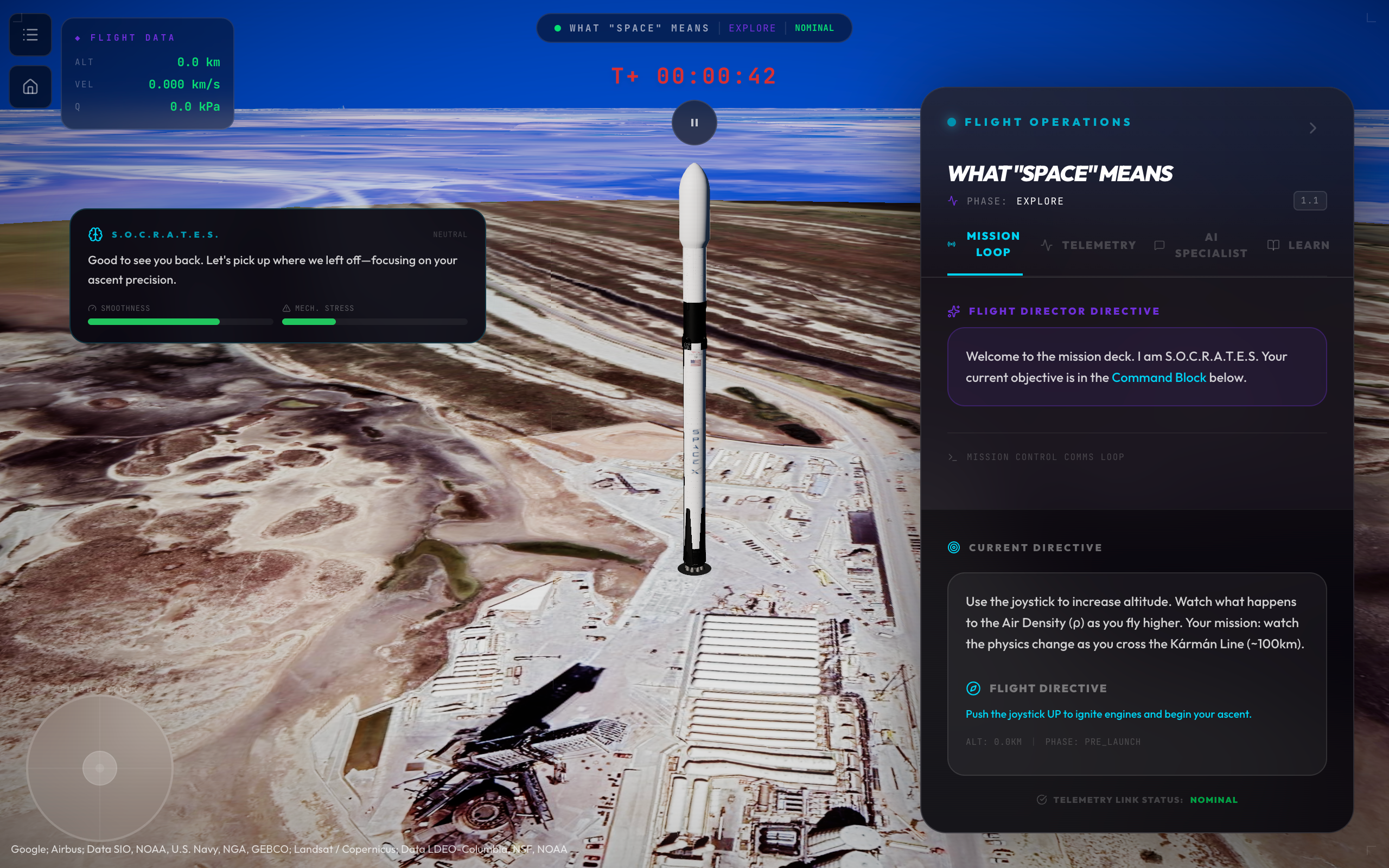
Students don't just read about space — they interact with it. Our simulation engine pairs real-time 3D physics with an AI Tutor that holds deep knowledge across all 32 lessons. The tutor adjusts its language to each student's level, while the platform silently tracks comprehension and adapts the curriculum in real time.
-
✓AI Tutor — Adaptive Language & Socratic Questioning
-
✓Pre-Cognitive & Cognitive Mastery Tracking
-
✓Adaptive Text Engine — Auto-Adjusts Complexity Per Student
-
✓Real-Time 3D Orbital & Launch Simulations
Scaling Aerospace Capability
The First High-Performance Launch Vehicle
Engineered for precision. Explore the anatomical breakdown of our orbital-class launch vehicle.
Artemis II Crew
The most powerful rocket NASA has ever built. Designed to loft the Orion spacecraft on a trans-lunar trajectory, enabling sustained presence on the Moon.
Solar System Journey
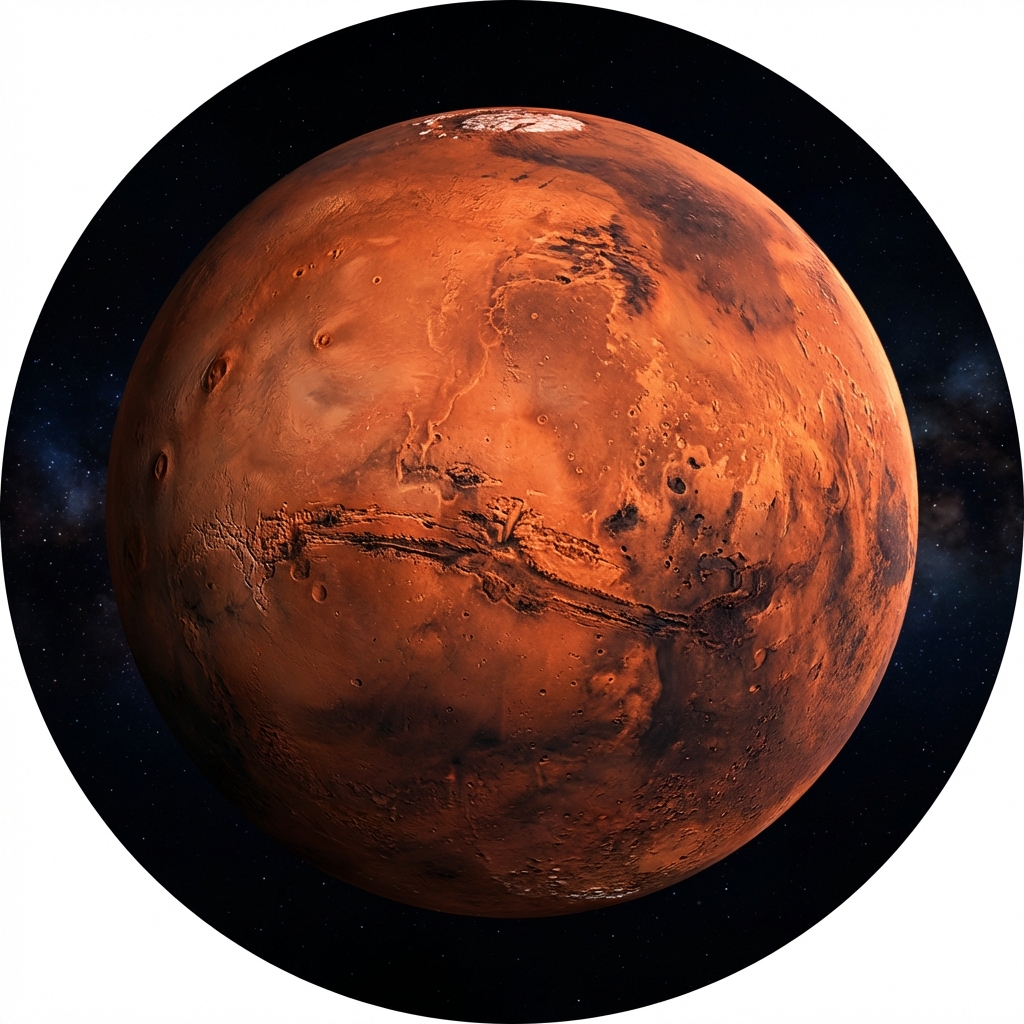
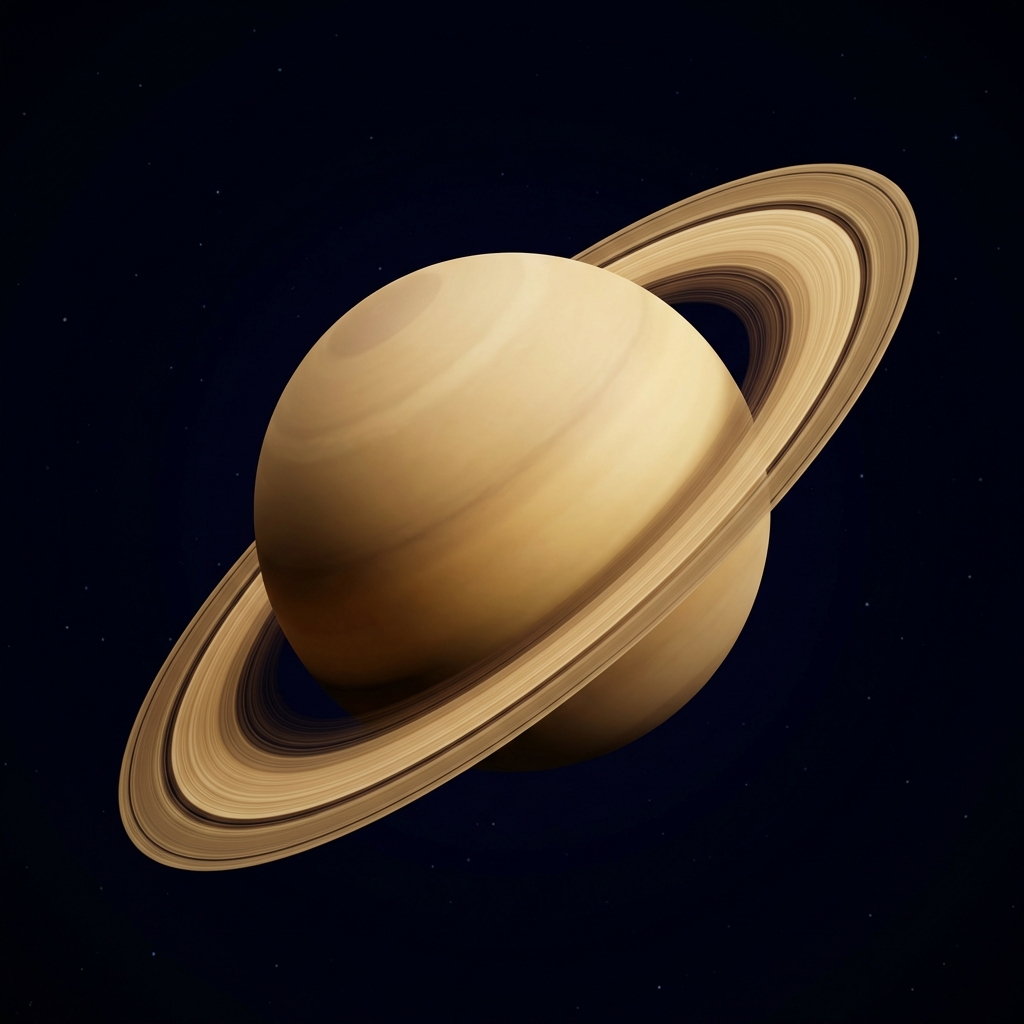
Explore the planets of our solar system.







Your Path to the Stars
Framework 001 is the foundation of how FALAk structures learning about space.
Built for the Classroom of Tomorrow
Knows When a Student is Struggling
The platform silently tracks how each student interacts — if they hesitate, rush, or repeat mistakes — and adjusts the lesson difficulty and language automatically. No teacher intervention needed.
AI Tutor That Speaks Their Language
An AI tutor with deep knowledge of every lesson answers student questions in real time — and adapts its wording to match the student's current comprehension level. Multi-language support built in.
Learn by Doing, Not Just Reading
Students interact with real-time 3D simulations of rockets, orbits, and spacecraft — not static diagrams. They build intuition through hands-on physics, not memorisation.
Measurable Outcomes for Educators
Every interaction generates mastery data. Schools and ministries get clear, per-student analytics showing exactly where learners are progressing — and where they need support.
What's Happening in Space
Space developments from around the world, with educational context.
Loading latest space news…
Curated Space Knowledge
Trusted sources to deepen your understanding of space systems.
NASA Open Data
Access NASA's public datasets — missions, imagery, telemetry, and more.
ESA Education
Learning resources from the European Space Agency for all levels.
Everyday Astronaut
Deep-dive engineering breakdowns of rockets and space systems.
arXiv Astrophysics
Open-access preprints in astrophysics, cosmology, and space science.
MIT Astrodynamics
Full MIT OpenCourseWare on orbital mechanics — lectures, problem sets.
NASA Eyes
3D visualization of the solar system, missions, and Earth from space.
Monthly Space Challenges
Put your knowledge to the test with real engineering problems.
Hohmann Transfer Budget
Calculate the delta-v budget for a Hohmann transfer from LEO to GEO orbit.
CubeSat Thermal Design
Design a passive thermal control system for a 3U CubeSat in Low Earth Orbit.
Mars Transfer Mass Ratio
Estimate the total mass ratio for a 3-stage launch vehicle to reach Mars transfer orbit.
Connect with Space Learners
Join learners, educators, and space enthusiasts from across the region and beyond.
Building the Infrastructure for Space Learning
Our Mission
FALAk partners with governments and institutions to deliver tailored national space curricula — building the skilled workforce the future space economy demands. Our cognitive platform adapts to every student, giving educators measurable outcomes at scale.
Our Story
FALAk was founded by a group of University of Leeds students across Business, Physics with Astrophysics, and Mathematics. We recognized a gap between curiosity about space and structured understanding of how space systems actually work.
Meet the Founders
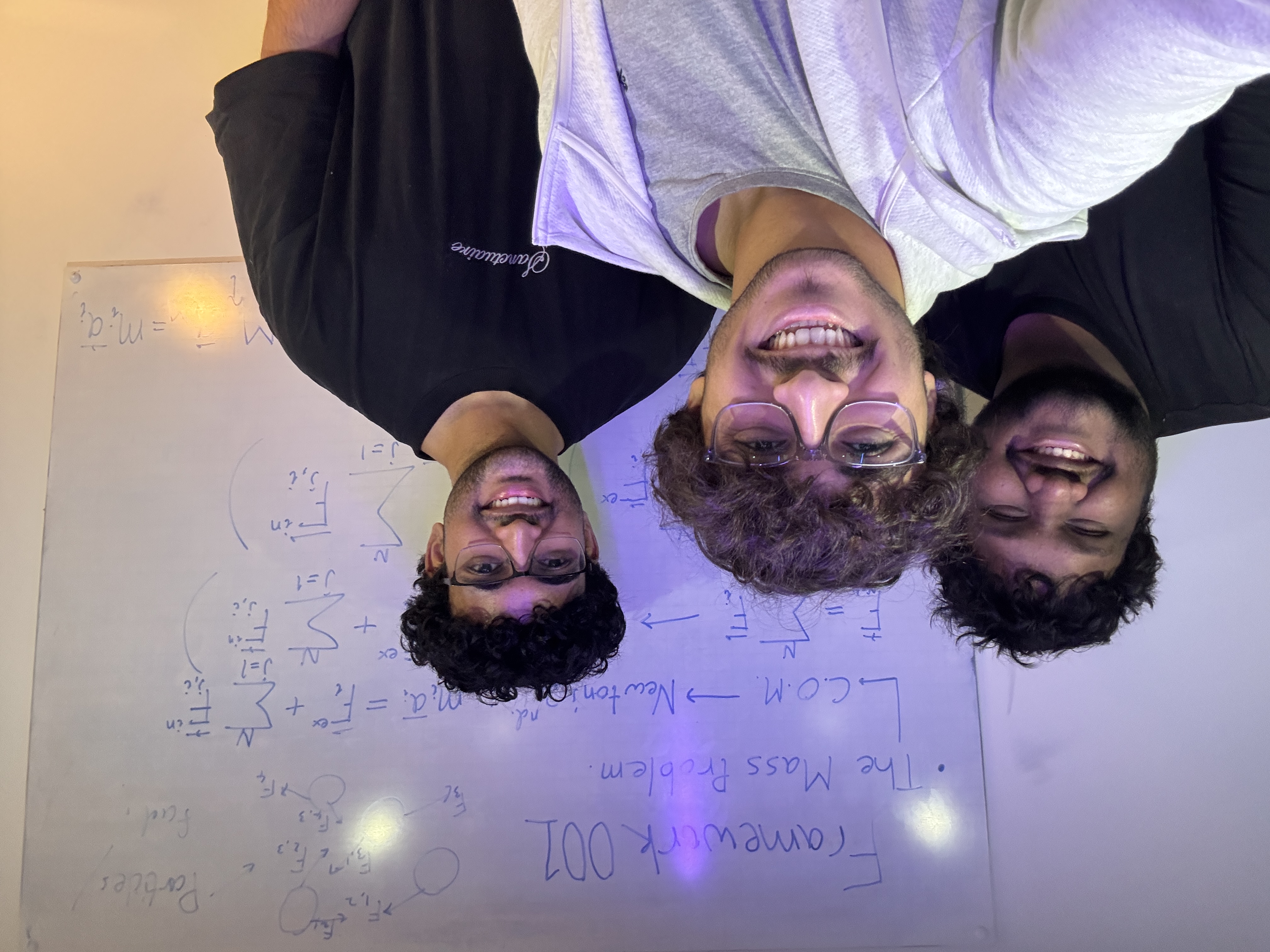
Mathematics undergraduate supporting quantitative modelling and systems structure within the learning architecture.
International Business & Marketing undergraduate focused on building scalable learning infrastructure and ecosystem partnerships.
LinkedInUndergraduate in Physics with Astrophysics, responsible for scientific accuracy and systems integrity across the framework.
LinkedIn